Canine teeth are sometimes referred to as cuspids, fangs, or “eye teeth” because of their direct positioning beneath the eyes.Canine teeth often have the longest root of all teeth in the human mouth and the last to fully erupt and fall into place: often around age 13.
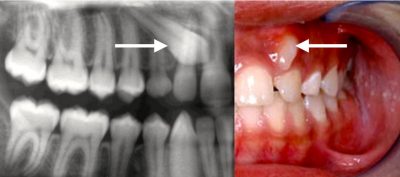
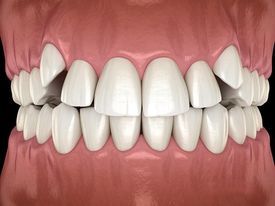
An impacted tooth essentially means that it is blocked, stuck, or unable to fully erupt and function properly. The upper canine is the second most common tooth to become impacted, after the third molars (wisdom teeth). Wisdom teeth serve no important function in the mouth and are frequently removed, but impacted canines are critical to the bite and require treatment for the more reasons like:
Closing Gaps – Canines are the last of the front teeth to fall into place and therefore close any unsightly gaps between the other upper teeth.
First Touch – Canines play a vital role in the “biting” mechanism of the teeth. They touch first when the jaw closes, and guide the other teeth into position. Proper Alignment & Function – Canine teeth are essential to the correct alignment and function of the other teeth on the dental arch. Missing or impacted canines can greatly affect the function and aesthetic appearance of the smile.
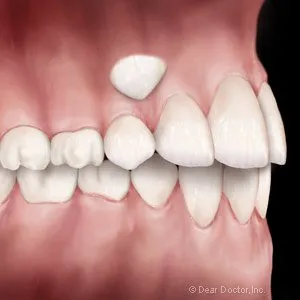
There are several main causes for impacted canine teeth: If extra teeth are present, the natural eruption of the canine teeth may be inhibited. The eruption progress of the canine may be directly blocked by an extra tooth or the subsequent overcrowding might leave no room on the dental arch for the canine. In some cases, poor alignment of the front teeth can lead to overcrowding. The existing teeth compete for space which means that the canines do not have sufficient room to become functional.On rare occasions, unusual growths on the soft tissue of the gums can restrict the progress of canine teeth, which leads to later impaction.
It is important for the dentist to document the number teeth present when the patient is around 7 years of age in order to record the presence or absence of canine teeth. The older the patient becomes, the less likely it is that an impacted canine tooth will erupt naturally. If canine teeth are missing or very slow in fully erupting, the dentist can make recommendations for proper treatment.
TREATMENT
The most common treatment of impacted canines involve combined treatment that includes an oral surgeon and an orthodontist. Treatment usually requires surgically exposing the teeth and placing a bonded attachment to and using orthodontic forces to move the tooth. An orthodontic brace may be fitted to create a space on the dental arch for the impacted canine. In case of overcrowded mouth for any reason, the extraction of teeth is recommended.
The extraction will generally be performed under local anesthetic by an oral surgeon. It will be necessary to gently expose the tooth with an incision in the gum tissues.
It may be necessary to remove enough bone from around the tooth to allow its removal.
When the tooth is out, the gum is sutured. Surgery for impacted canines usually does not require an overnight stay. Pain medication and antibiotics will be prescribed as necessary. Post-operative instructions are helpful for your recovery.